Making Great Care Happen at Home
A physician-led talk and training that prepares your team to bring the family into the plan — before the family is carrying it alone.
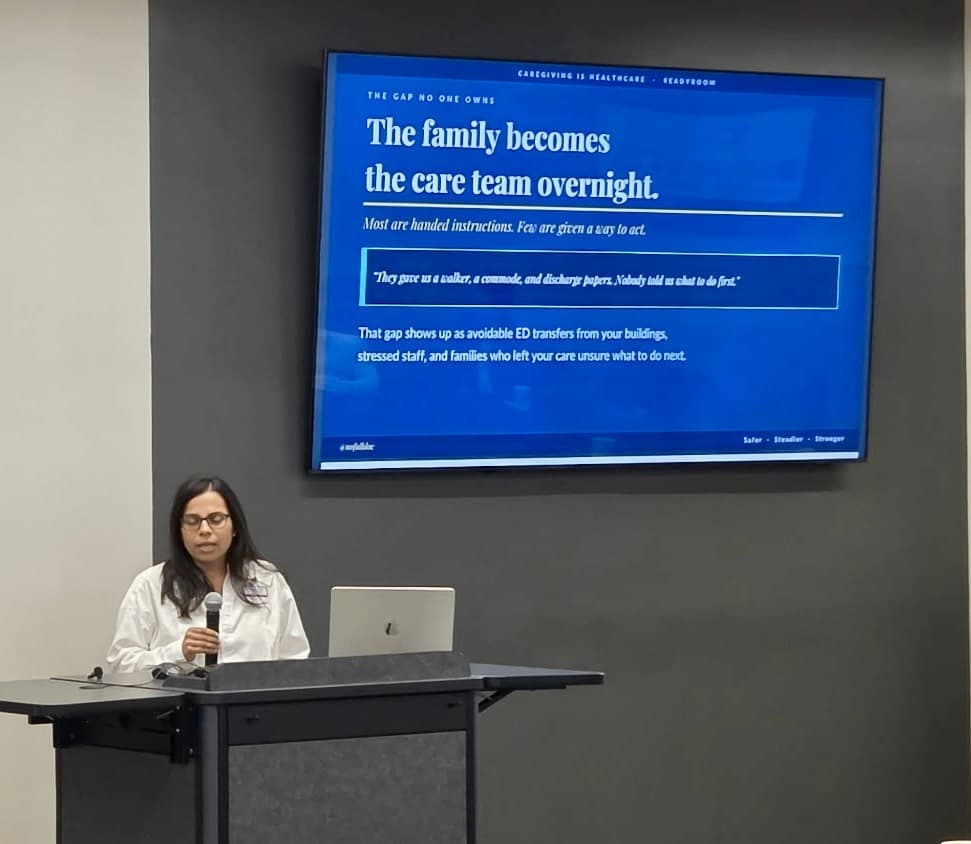
Hospitals plan for discharge. Nobody plans for home.
The family becomes the care team overnight. Most are handed instructions; few are given a plan. Families leave unsure what they are now responsible for, who to ask, and how to manage it alongside work and distance.
“They gave us a walker, a commode, and discharge papers. Nobody told us what to do first.”
Four ways to bring it in.
Pick the room, and I’ll write for it.
The family becomes the care team overnight
- Why the handoff fails even when the discharge is done well
- What families are actually asked to manage in the first 72 hours
- The three questions that change a discharge conversation
A fall-risk flag is not a home plan
- Why most falls happen in familiar rooms
- What to change first, without a renovation
- How to turn a risk score into something a family can do
The hidden 72-hour risk window after discharge
- What goes wrong, in order, and when
- The medication reconciliation families are left to do alone
- Who they should call, and when calling is too late
Caregivers as the missing infrastructure in value-based care
- Where unpaid family work sits in your quality measures
- Why risk identification alone is not risk reduction
- What the CARE Act already requires of your hospital
What people leave prepared to do.
- Care teams
- Staff who know how to bring the family into the plan, and families who leave knowing what to ask and who to call.
- Health plans
- Care-transition teams with shared language for what a family is actually being asked to do at home.
- Home health
- A first visit that starts from a plan the family already understands.
- Senior living
- Staff prepared for the questions families ask, and families who leave an education night with a next step.
- Physician groups
- Discharge conversations that account for what happens once the person is home.
- Wealth advisors
- A client education evening on the subject your clients are already losing sleep over — caring for their parents while protecting the plan.

I have read more than 100,000 medical records. Every one of them was written for a clinician. None of them was written for the person who would have to carry the plan out.
Two years ago my father had an unexpected five-day hospital stay. The hospital prepared him to leave. Nobody prepared our family for what came next. I have spent twenty years on both sides of that moment — in the exam room, and in the health plan deciding what gets covered.
“Awesome presentation. Thanks so much Mamata. The team really enjoyed it.”
“She’s consistently insightful, articulate, and generous with her expertise. She brings strategic depth and authenticity to every discussion by translating complex payer and clinical issues into practical insights.”
“She is a strategic, solutions-driven leader who combines deep clinical expertise with a strong commitment to improving access to high-quality care.”
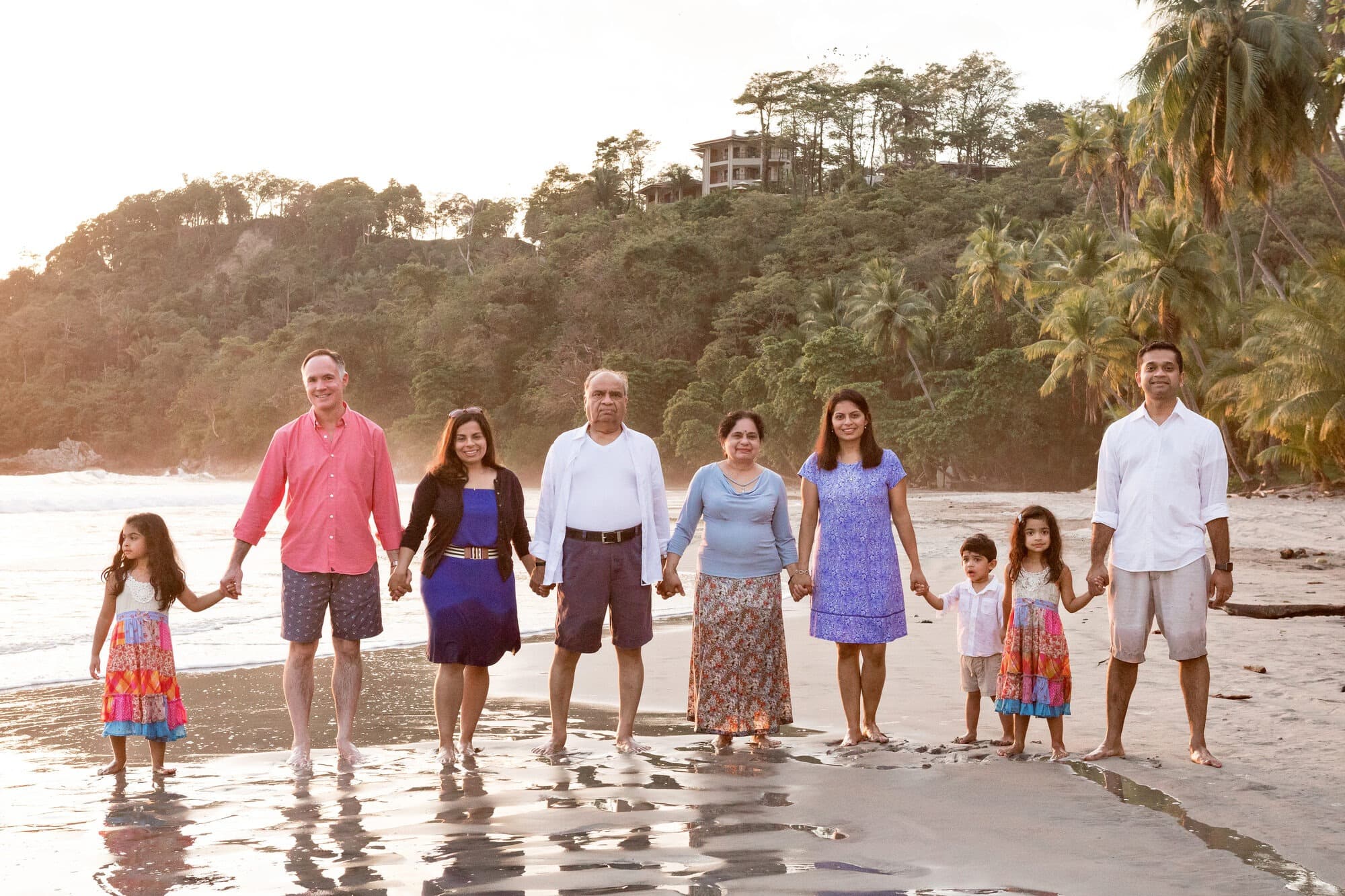
The goal was never simply preventing falls or reducing readmissions. It is helping people live on their own terms, as long as possible, in the place they call home.
Bring it to your team →