What happens after the hospital decides is where most of the outcome lives.
I speak and teach about the gap between what a healthcare organization plans and what a family is actually able to carry out once someone is home. It is the part of the care plan nobody owns, and it is where readmissions, falls and medication errors are decided.
Audiences are health systems, health plans, home health, senior living, physician groups and the professional associations that serve them.
Conferences, retreats and grand rounds.
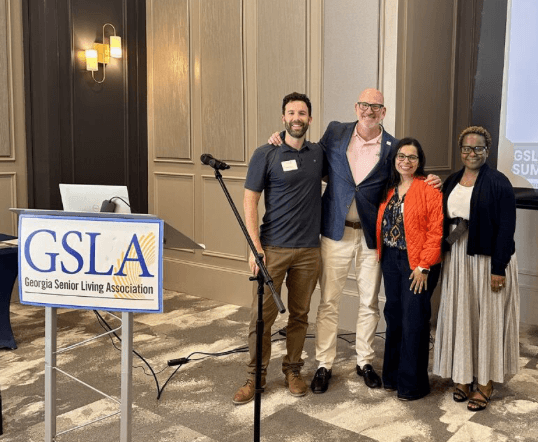
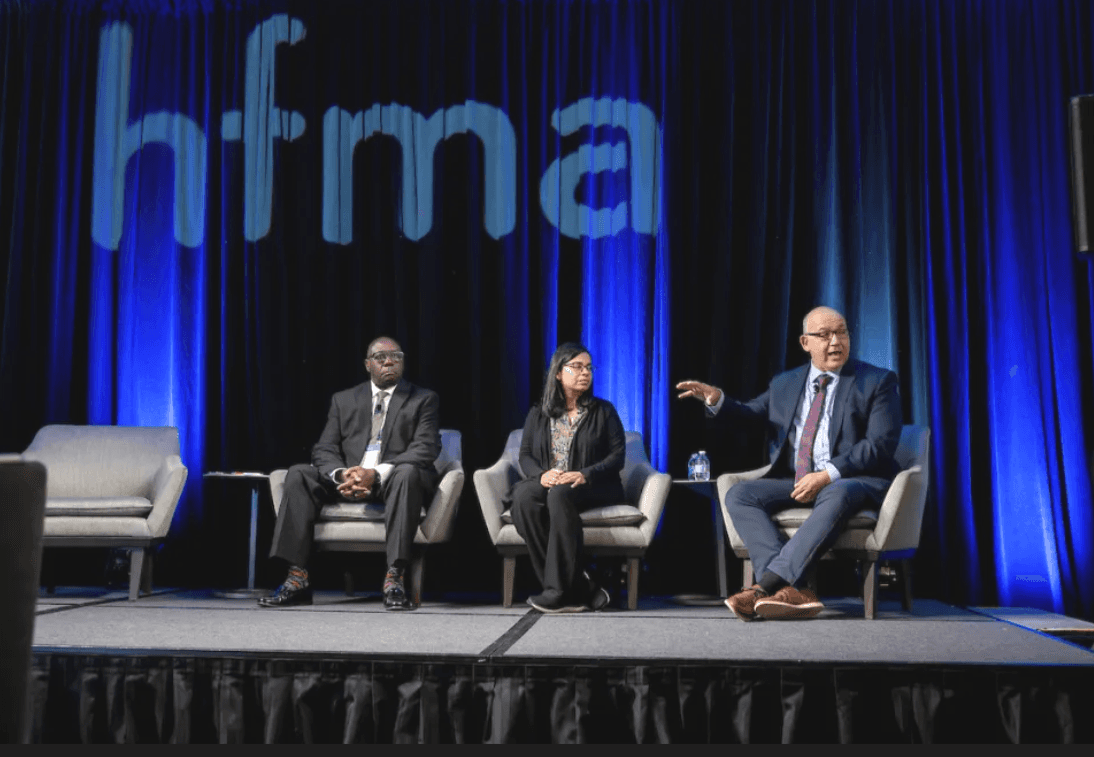
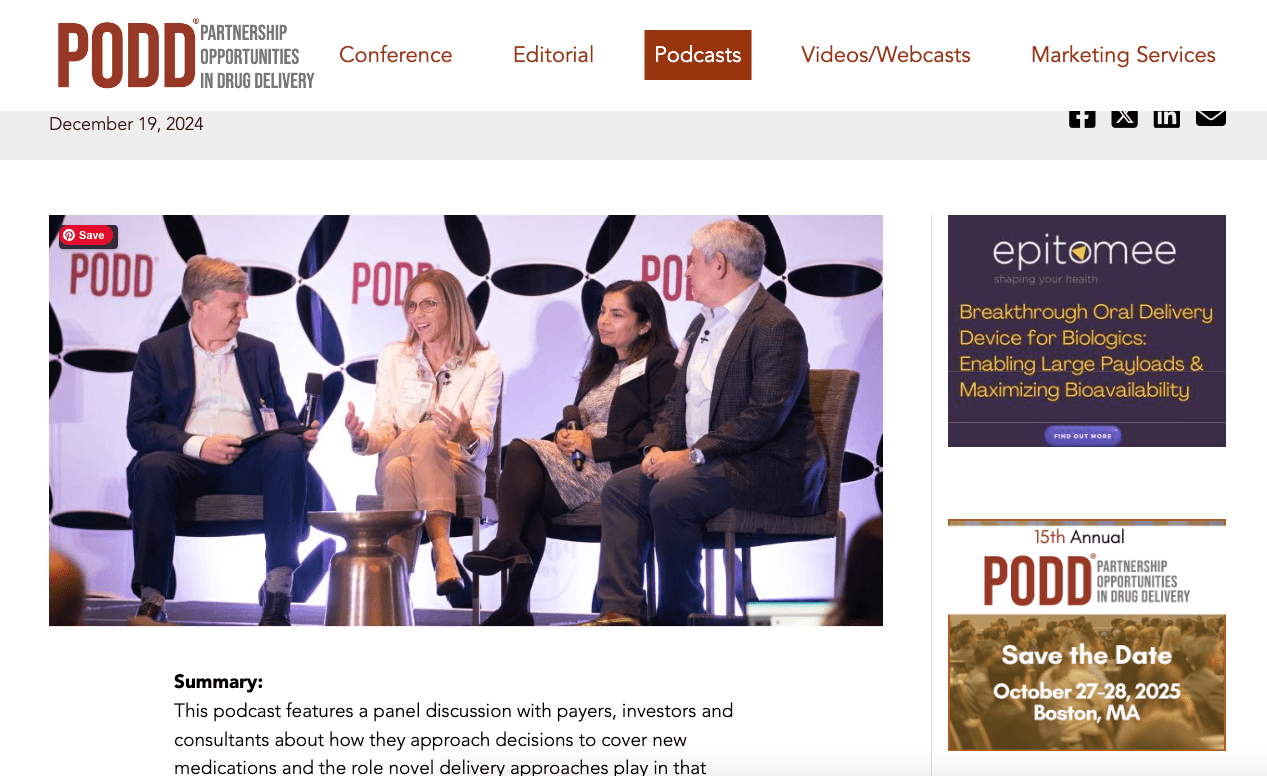
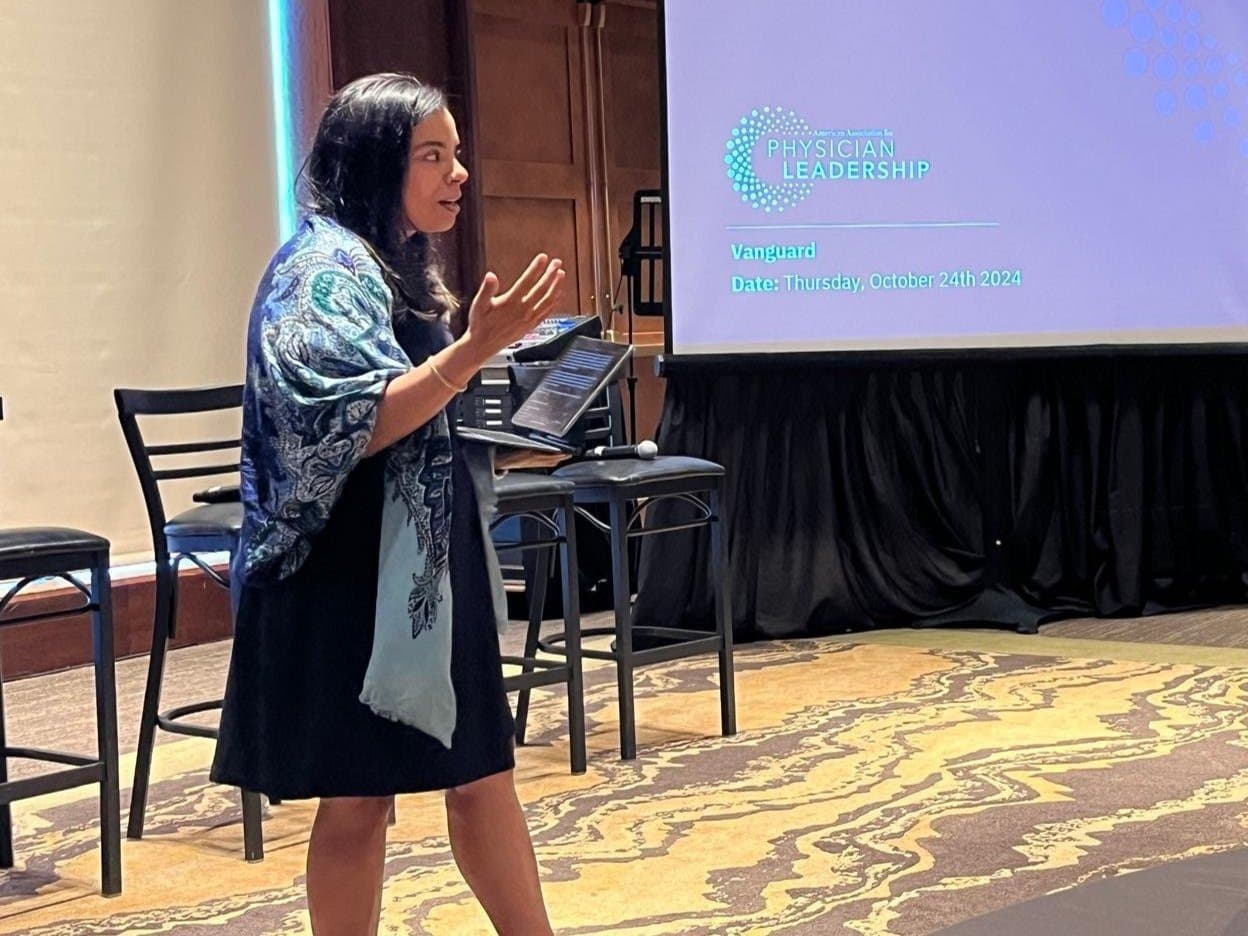
Physician Leadership Journey
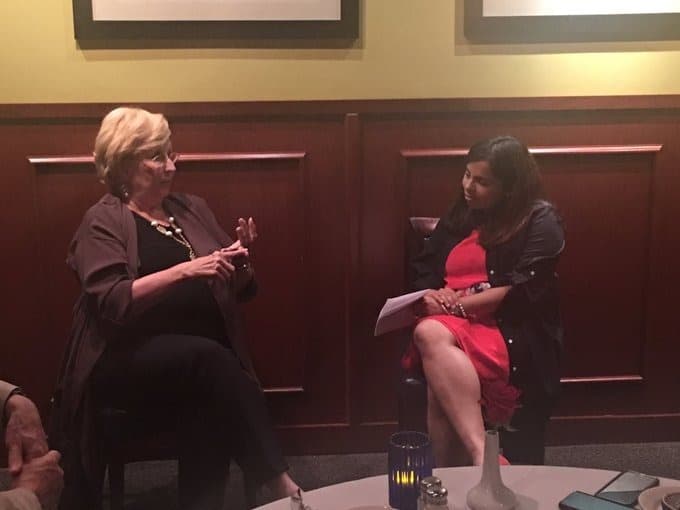
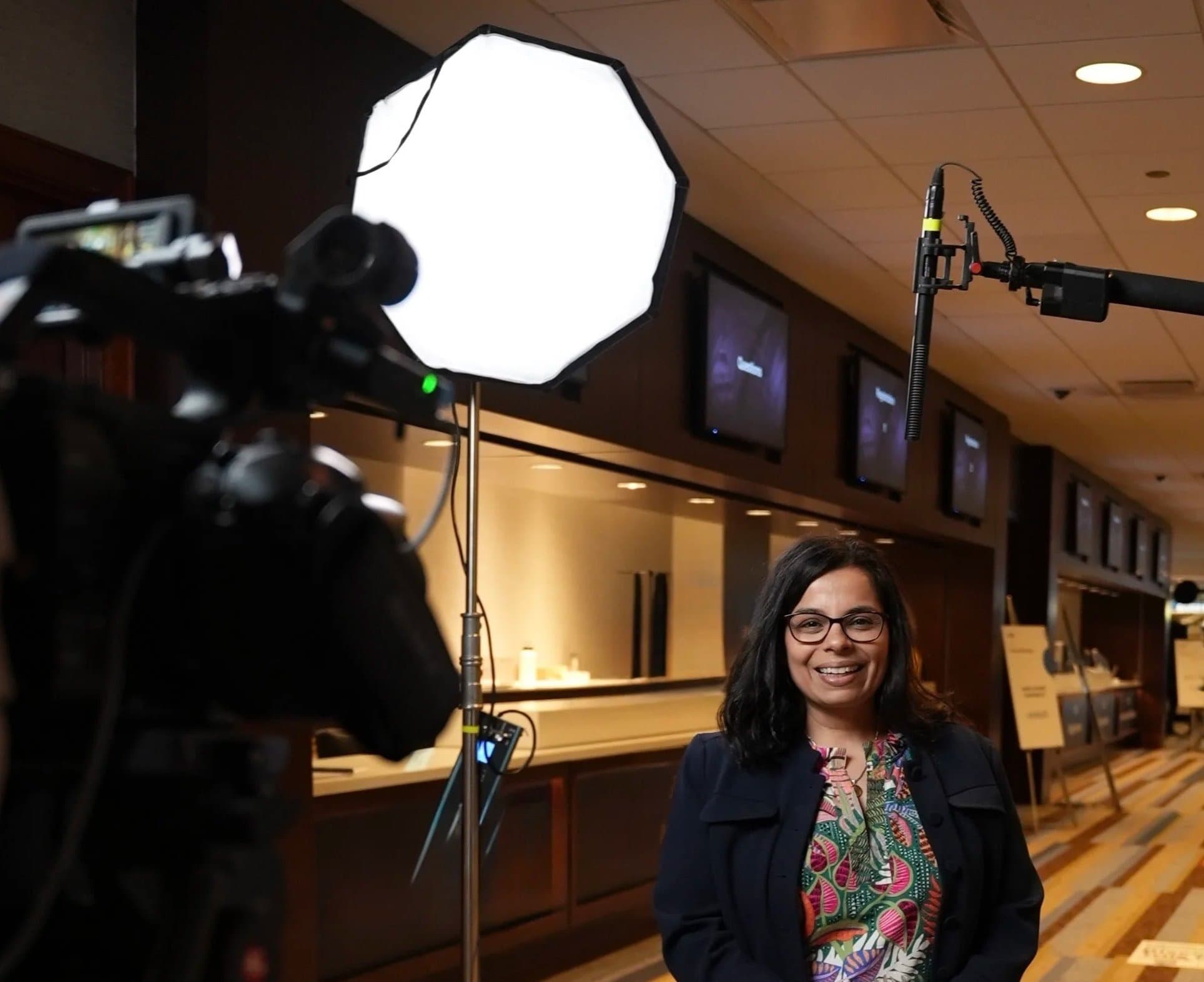
Filmed for the American Association for Physician Leadership Certified Physician Executive program, 2025. On why clinical training alone does not prepare a physician to change how care is delivered.
Watch on YouTube ↗Making Great Care Happen at Home
The flagship program. When someone leaves the hospital or a health changes suddenly, the family inherits medications, mobility, warning signs, appointments, home safety and coordination, usually without preparation and often from another city. This is what organizations can do about it.
The full programFour representative sessions.
The family becomes the care team overnight
- Why the handoff fails even when the discharge is done well
- What families are actually asked to manage in the first 72 hours
- The three questions that change a discharge conversation
A fall-risk flag is not a home plan
- Why most falls happen in familiar rooms
- What to change first, without a renovation
- How to turn a risk score into something a family can do
The hidden 72-hour risk window after discharge
- What goes wrong, in order, and when
- The medication reconciliation families are left to do alone
- Who they should call, and when calling is too late
Caregivers as the missing infrastructure in value-based care
- Where unpaid family work sits in your quality measures
- Why risk identification alone is not risk reduction
- What the CARE Act already requires of your hospital
Evenings for the families your organization already serves.
Shorter, plainer and built for a room of adult children rather than a room of clinicians. Senior living communities, service clubs, employers and wealth advisory firms host these for the people they look after.
However your calendar and your room are shaped.
Keynote
45–60 minutesConferences and leadership meetings
A shared language for a gap nobody owns.
Workshop
Half dayCare-transition teams
A discharge conversation the team has practiced.
Staff training
60–90 minutesIn-service or grand rounds
Three changes a team can make on Monday. No prep from your staff.
Family education night
60–75 minutesYour residents’ families, hosted by you
Families who know what to watch for and when to call.
What each room walks out with.
Care teams
Staff who know how to bring the family into the plan, and families who leave knowing what to ask and who to call.
Health plans
Care-transition teams with shared language for what a family is actually being asked to do at home.
Home health
A first visit that starts from a plan the family already understands.
Senior living
Staff prepared for the questions families ask, and families who leave an education night with a next step.
Physician groups
Discharge conversations that account for what happens once the person is home.
Wealth advisors
A client education evening on the subject your clients are already losing sleep over — caring for their parents while protecting the plan.
If one of those is your room, the next step is a short note.
Bring me to your organization →“Awesome presentation. Thanks so much Mamata. The team really enjoyed it.”
Chief Medical Officer
Value-based kidney care organization
“She’s consistently insightful, articulate, and generous with her expertise. She brings strategic depth and authenticity to every discussion by translating complex payer and clinical issues into practical insights.”
Jakob Emerson
Associate News Director, Becker’s Healthcare
“She is a strategic, solutions-driven leader who combines deep clinical expertise with a strong commitment to improving access to high-quality care.”
Matt Hodes
VP of Business Development & Partnerships, Visana Health
Dual board certified in family medicine and healthcare quality management, with subspecialty certifications in patient safety and risk management. FAAFP, CHCQM, CPE.
Becker’s Healthcare · HFMA · American Association for Physician Leadership · Kentucky Medical Association · MedCity News · Bright Spots in Healthcare · Duo Health
What organizers usually ask.
Can this be delivered virtually?
Yes. Keynotes and staff training work well virtually. Workshops are better in person.
Do you tailor the content?
Always. The talk changes depending on whether the room is clinicians, staff or families, and I ask about your population before writing it.
Can families attend?
The family education night is designed for exactly that — your organization hosts, and the families of the people you serve attend.
What does it cost?
It depends on format, travel and whether materials are included. Ask and you will have a written fee with the proposal.
Is this a product demo?
No. This is education for your team. Tools for families live at Caregiving Is Healthcare.
What should your room leave ready to do?
Tell me who will be in it, roughly how many, and what you want them doing differently on Monday. I will come back with a format and a proposal.
Bring me to your organization →